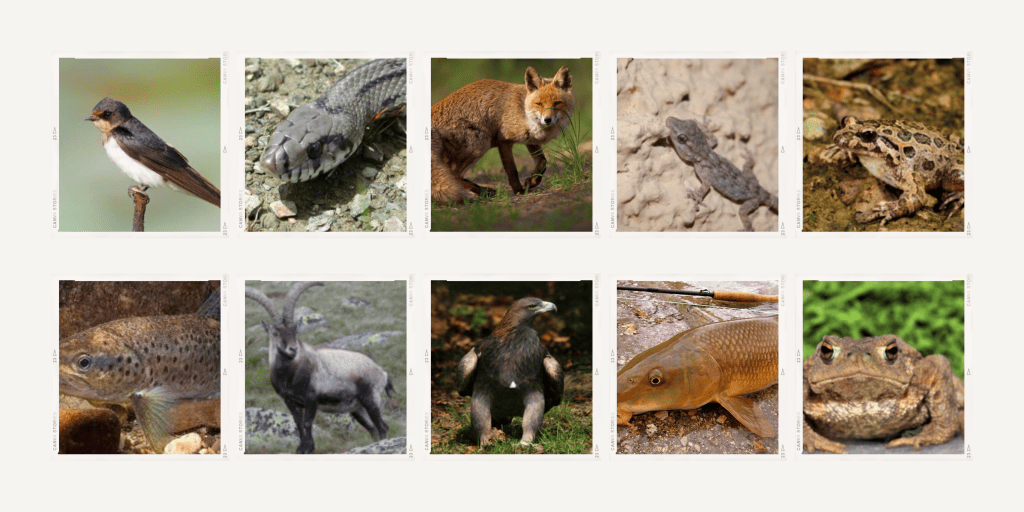
Archidona is a paradise for bird lovers. Its natural environment, which includes mountains, fields, and nearby wetlands, hosts a great diversity of both resident and migratory species. Here, you can observe birds of prey such as the short-toed eagle, as well as small gems like the bee-eater and the European robin. It’s an ideal spot to enjoy birdwatching tourism right in the heart of Málaga.
SHORT-TOED EAGLE
Scientific name:Aquila fasciata
Habitat: Sierra de Archidona, Holm Oak Forest of Archidona-Salinas, Guadalhorce Gorge, Hoz del Arroyo Marín, and Lagoons of Archidona.
GRIFFON VULTURE
Scientific name:Gyps fulvus
Habitat: Sierra de Archidona and El Brosque.
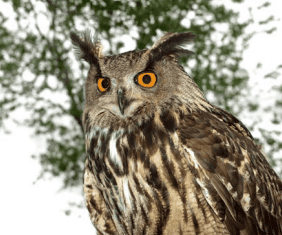
BÚHO REAL
Scientific name:Bubo bubo
Habitat: Sierra de Archidona, Holm Oak Forest of Archidona-Salinas, Hoz del Arroyo Marín, and Lagoons of Archidona.
COMMON KESTREL
Scientific name:Falco tinnunculus
Habitat: Sierra de Archidona, Holm Oak Forest of Archidona-Salinas, Hoz del Arroyo Marín, and Lagoons of Archidona.
RED-BILLED CHOUGH
Scientific name:Pyrrhocorax pyrrhocorax
Habitat: Sierra de Archidona and Holm Oak Forest of Archidona-Salinas.
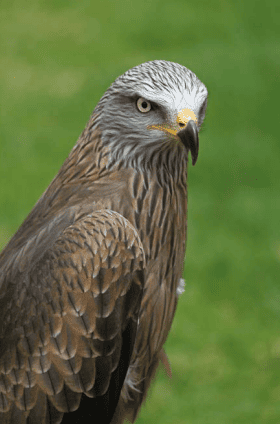
BLACK KITE
Scientific name:Milvus migrans
Habitat: Sierra de Archidona, Hoz del Arroyo Marín, and Lagoons of Archidona.
Mammals
The terrestrial fauna of Archidona includes a wide variety of mammals that inhabit its fields, forests, and mountain ranges. Rabbits, foxes, and wild boars are commonly sighted, as well as bats at dusk. These animals play a fundamental role in maintaining the balance of the local ecosystem and provide an authentic natural experience for those who explore the surroundings of the municipality.
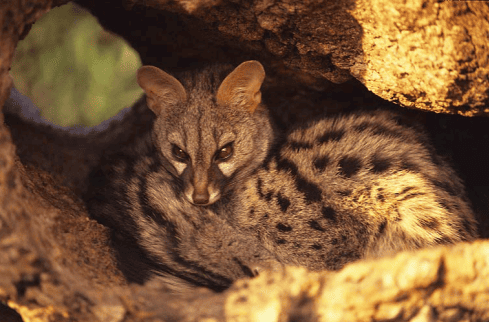
GENET
Scientific name:Genetta genetta
Habitat: Hoz del Arroyo Marín, Las Lagunillas, Garganta del Guadalhorce, Encinar de Archidona-Salinas, and Lagunas de Archidona.
WILD BOAR
Scientific name:Sus scrofa
Habitat: Hoz del Arroyo Marín, Las Lagunillas, Garganta del Guadalhorce, El Brosque, Encinar de Archidona-Salinas, Vega de Archidona, and Lagunas de Archidona.
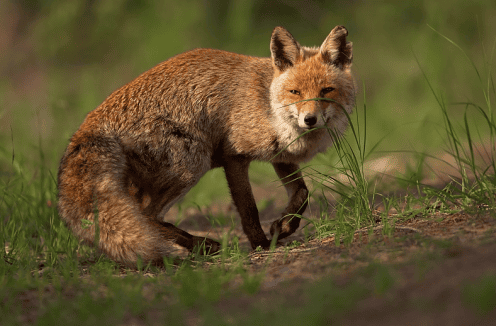
FOX
Scientific name:Rattus norvegicus (Note: This appears to be a mistake. Rattus norvegicus is the scientific name for the brown rat, not the fox. The correct name for the red fox is Vulpes vulpes.)
Habitat: Widely distributed throughout the municipality of Archidona.
Reptiles
Archidona’s Mediterranean climate and rocky landscape favor the presence of numerous reptiles. It’s common to find lizards, wall geckos, and various species of non-venomous snakes, which play a vital role in the natural balance by controlling insect and small rodent populations. They are often seen on stone walls, sunny trails, and rural areas, especially during the warmer months.
OCELLATED LIZARD
Scientific name: Malpolon monspessulanus
Habitat: Hoz del Arroyo Marín, Las Lagunillas, Lagoons of Archidona, El Brosque, Holm Oak Forest of Archidona-Salinas, and Vega de Archidona.
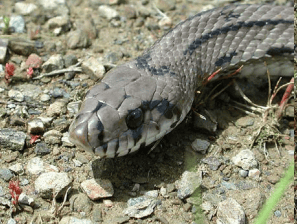
LADDER SNAKE
Scientific name:Zamenis scalaris
Habitat: Hoz del Arroyo Marín, Las Lagunillas, El Brosque, Holm Oak Forest of Archidona-Salinas, Lagoons of Archidona, Guadalhorce Gorge, and Vega de Archidona.
COMMON WALL GECKO
Scientific name:Tarentola mauritanica
Habitat: Widely distributed throughout the municipality of Archidona.
Amphibians
Though more discreet, amphibians are also present in Archidona’s environment, especially in temporary ponds, streams, and wetlands. Toads, frogs, and newts belong to this group, and their presence is an indicator of the ecosystem’s good health. They are easier to hear than to see, especially in spring, when their calls fill the nights after the rain.
COMMON FROG
Scientific name:Rana temporaria
Habitat: Lagoons of Archidona, Marín Stream, and Guadalhorce River.
COMMON SALAMANDER
Scientific name:Salamandridae
Habitat: Guadalhorce River and Lagoons of Archidona.
IBERIAN SPOTTED TOAD
Scientific name:Pelodytes ibericus
Habitat: Lagoons of Archidona, Marín Stream, and Guadalhorce River.
Fish
The presence of fish in Archidona is limited due to the scarcity of large bodies of water. However, some native species adapted to these conditions can be found in streams and seasonal watercourses. Although fish are not the most representative group of the local fauna, their conservation is key to maintaining the balance of aquatic ecosystems.
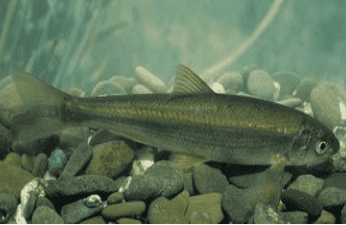
GYPSY BARBEL
Scientific name:Luciobarbus sclateri
Habitat: Marín Stream, Guadalhorce River, and the Lagoons of Archidona.